
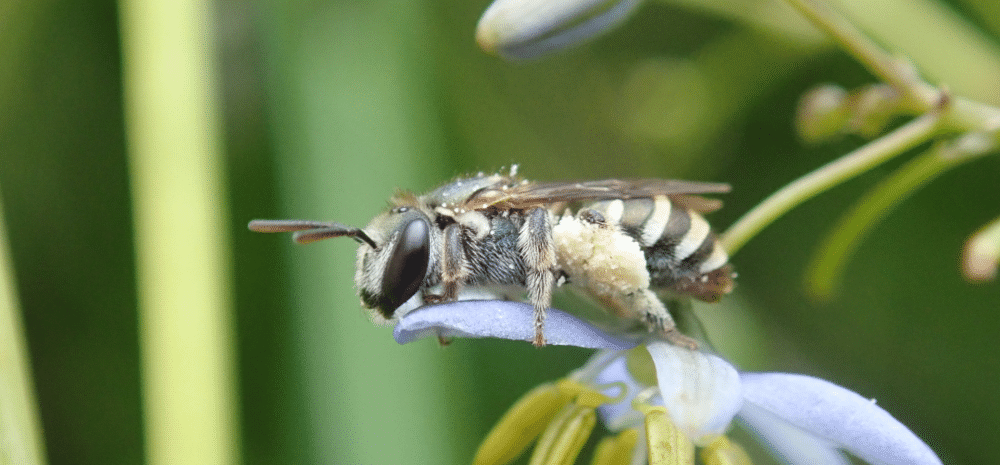
Australian Pollinator Week 2026 runs from 7 to 15 November.
When you think of pollinators, bees probably come to mind first. But butterflies, beetles, birds and even flying foxes play an important role in pollination and helping plants reproduce. Without pollinators, many of the foods we enjoy would be much harder to grow.
A little-known Australian pollinator is the Grey-headed Flying fox. While feeding on nectar at night, pollen sticks to its fur and is carried from flower to flower, helping plants produce seeds and fruit.
Bees are among our most important pollinators for food production. As they collect nectar and pollen, they help pollinate many of the fruit, vegetable and nut crops we rely on.
In Australia around 35% of crops rely on pollination from bees. To support food production, pollination often takes place on a large scale. Farmers hire beekeepers to bring thousands of beehives to orchards and farms while crops are flowering. This large-scale pollination helps ensure healthy crops and a reliable food supply.
By reducing food waste, we can make the most of the food that pollinators, farmers and growers help produce.
What can you do?
Reducing food waste can be simple:
- Plan meals and shop with a list
- Check your fridge and pantry before buying more food
- Use leftovers or freeze food before it spoils
- Serve only what you are likely to eat
If you have unavoidable food scraps, compost them at home or place them in your green-lid food and garden organics bin, where they can be turned into valuable compost.

