Council manages street parking and owns and operates a number of car parks across the municipality, including some multi-deck car parks.
Parking signs in each location tell you if there is a time limit and if payment of a fee is required.
How to pay for street parking and off street car parks
You can now pay for street parking in parts of the municipality and off street car parks including the multi-deck carks at Thomas Street and Walker Street, Dandenong, in a number of ways including cashless payments (pay by phone app), credit card, digital wallet and coins.
No matter how you pay, you will no longer need to keep track of a paper ticket – just type in your registration number and away you go.
Payment options vary across the City of Greater Dandenong.
Parking costs the same no matter how you choose to pay.
You must not park for more than the time limit shown on the parking sign. That time starts when your car stops in the parking space.
Pay by phone parking app
Pay by phone parking app requires one of the following apps:



These apps can be downloaded for iPhone or Android.
Pay by coin
To pay using coin, there is always a meter nearby that accepts coins.
Pay by card or digital wallet
All new parking meters accept payment by credit card or digital wallet. If a credit card or digital wallet reader is not working, you must pay using coins or via app.
Request Changes to Parking Restrictions
To request new parking restrictions or modifications to existing parking restrictions, please contact Council.
Parking on Narrow Streets
There are different ways that Council manages parking on particularly narrow streets.
For more information please read Parking in Narrow Streets Information Sheet - 979KB
The Greater Dandenong Municipal Parking Strategy
Council manages parking in accordance with its Municipal Parking Strategy, that was developed in 2017 following extensive consultation with the community. The Greater Dandenong Municipal Parking Strategy 2017-27 was endorsed by Council on 11 September 2017.
The strategy aims to ensure the management of parking gives appropriate consideration to the needs of the entire community.
This strategy identifies the parking objectives in key community areas such as; activity centres, residential areas, local shopping strips, places of assembly, schools, industrial areas, health and tertiary education areas and stations. Parking will be managed to address the needs of the key stakeholders identified for each area.
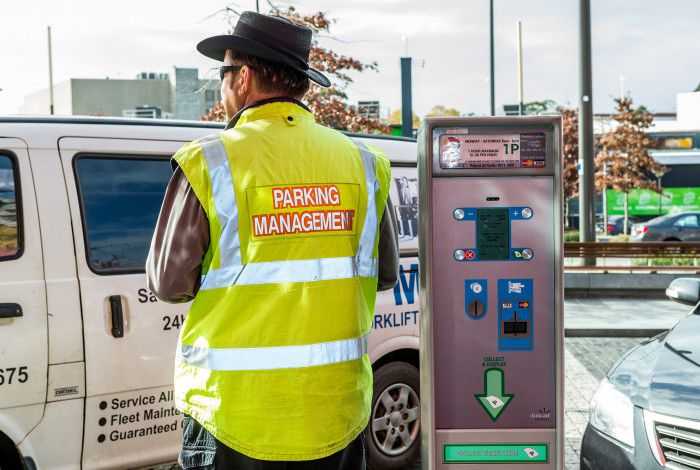
Find out how to pay or request a review of a parking infringement notice.
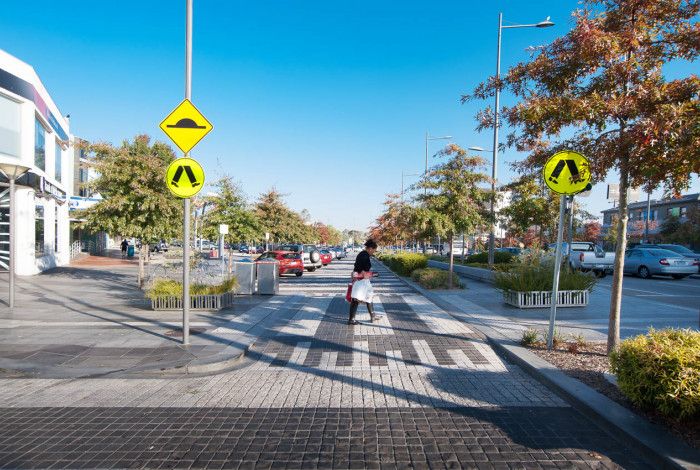
Information about parking in Dandenong Activity Centre.

Information about car parking in Noble Park Activity Centre.

Information about parking in Springvale Activity Centre.

Find out where Council's off-street car parks are, the parking fees and how to get a permit.

Find out how to apply for a temporary permit to hire parking bays within the municipality.
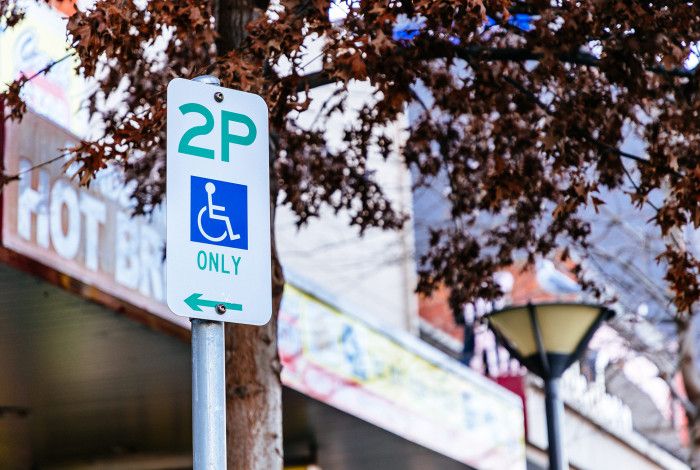
Find out if you're eligible to apply for a disabled parking permit, and how to apply for and use one.

Find out how to apply for a heavy and large vehicle parking permit to keep a vehicle on a residential property.