National Compost Awareness Week takes place from Sunday 3 May to Saturday 9 May. This week promotes the importance of composting organic waste to build healthy soil, reduce methane emissions from landfills and encourage sustainable, eco-friendly practices.
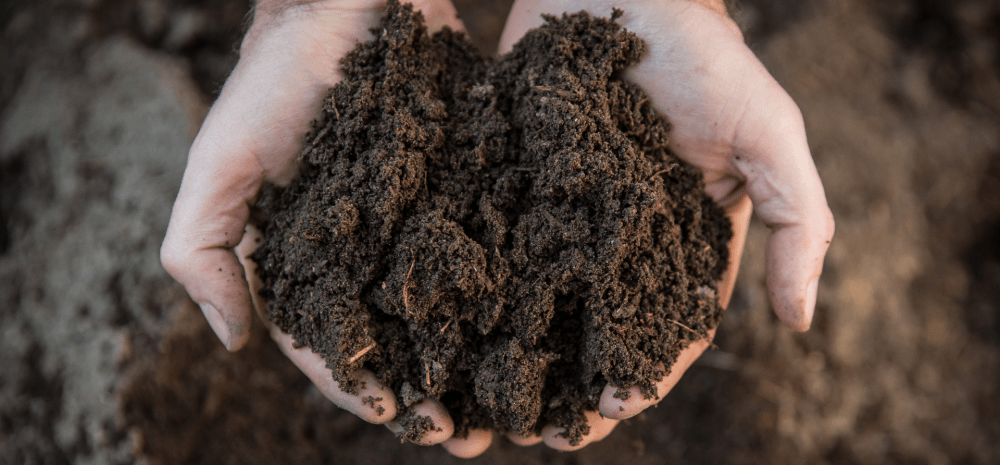
Compost is nature’s way of recycling food and garden scraps back into the soil. It adds nutrients, helps the soil hold water and supports healthy plants and crops.
Compost is made with the help of bacteria and tiny living things called decomposers. These include worms, slugs and slaters (also known as roly polies). They eat food and garden waste and break it down into rich compost.
Food waste breaks down very differently in compost compared to landfill. In a home compost bin, a whole lettuce can break down in a few weeks. In landfill, waste is tightly packed with little air. Here, a lettuce can take up to 25 years to break down and creates methane, a harmful greenhouse gas.
If you don’t have a compost bin at home, you can still help. Put your food and garden waste in your food and garden organics (FOGO) bin. When your bin is collected, the contents are sent to a processing facility where it is turned into compost and used by farmers to improve soil and grow food.
Learn more about what happens to your food and garden organics bin.