At Greater Dandenong City Council, we’ve been busy reducing our emissions, revegetating and protecting our reserves, cleaning our waterways, and embedding sustainability into our daily operations.
Mayor, Councillor Sophie Tan, said this important work in sustainability “is just the beginning”.
“We are proud to have reduced our emissions by around 80 percent since 2019, we’re exceeding our tree planting targets and making great strides in biodiversity – like the return of Krefft’s gliders, which were extinct in Greater Dandenong.”
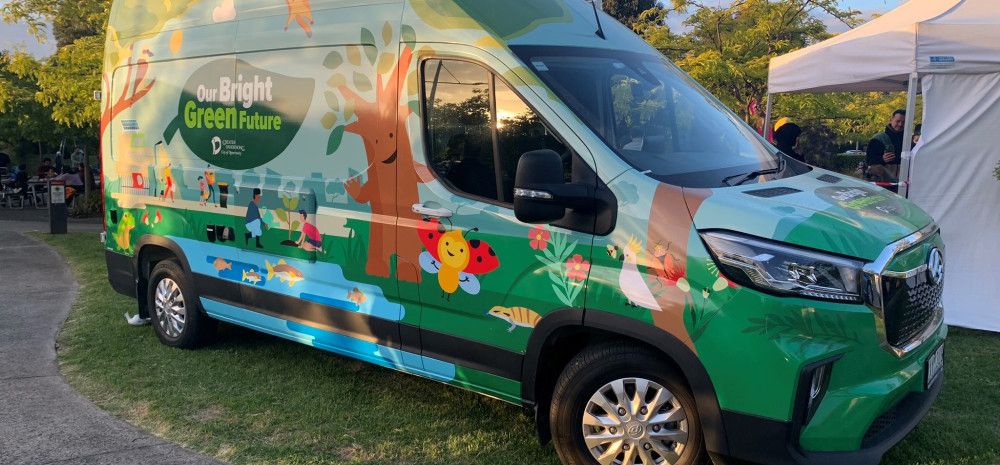
The Our Bright Green Future Strategy and Action Plan 2026–2036 empowers Council and the community to work together towards a green city committed to a sustainable future.
This vision underpins the sustainability strategy which was adopted unanimously by Councillors at their March meeting.
Mayor Tan said, “Our Bright Green Future is a priority strategy for Council, and the next step in our response to the climate emergency.”
To ensure clear, measurable and relevant goals, the Action Plan captures the strategic objectives of:
► Growing Nature Together, Council's Biodiversity Action Plan 2023–25 (the Biodiversity Action Plan)
► Draft Greater Dandenong Waste and Litter Strategy 2020–25
► Greater Dandenong Urban Forest Strategy 2021-28; and
► Councils existing and draft climate, sustainability and environmental strategies and plans.
Mayor Tan thanked everyone who had their say on the strategy late last year. A summary of the feedback and the final draft are available by visiting Have Your Say.
Tree Canopy Grows
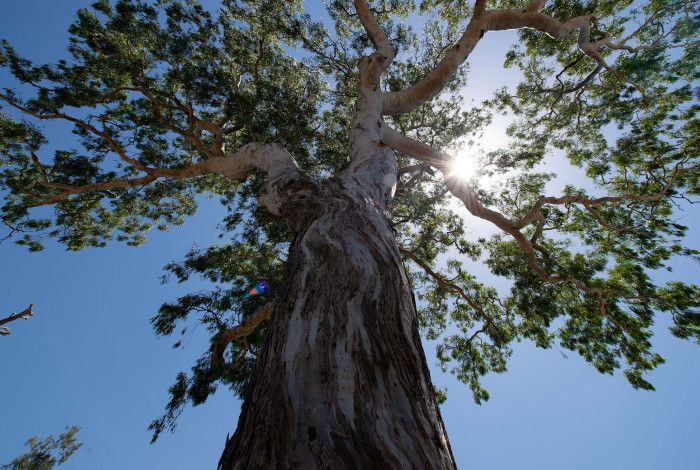
Imagine you are standing under some trees, looking up at the leaves and branches that form a roof above you – this is a tree canopy. This canopy is important for creating shade, lowering heat, supporting diverse wildlife and cleaning the air.
Greater Dandenong is an urbanised area and has traditionally had low tree canopy coverage but at Greater Dandenong City Council, we’re working to change that.
Our 2025 audit shows we’re on track to achieve our target of increasing tree canopy coverage from 9.9% in 2016 to 15% in 2028. Our tree canopy has grown .5% since 2023, to 14.6%.
Greater Dandenong Mayor, Cr Sophie Tan said although this increase may seem modest, Council was exceeding its tree planting targets and strategically planting in built-up areas to protect people from extreme heat.
“Our target is planting 2000 street trees each year, and we have planted more than 31,000 since 2014. This doesn’t include the many additional trees planted in parks and open spaces or as part of the capital works program.”
We have a 10-year planting program in place for the three major activity centres in Dandenong, Springvale and Noble Park and will collect data to complete urban heat mapping over the next two years.
“This will inform our future planting; in the meantime, we’re already making great progress in built-up areas,” the Mayor said.
“You may have already seen our planting as part of the Ian Street, Leonard Avenue, Frank Street and Springvale Road Boulevard projects. Around 580 street trees were planted in Noble Park alone last winter.”
In 2018, we introduced new planning rules requiring developers to plant additional trees for new residential developments and they’re paying off.
“These trees are now becoming canopy trees and improving the liveability of these new homes through reduced house temperatures and energy bills,” the Mayor added.
We’re encouraging residents to plant more trees on private land through education programs and festivals.
“We recently gave away 13,000 plants to local households, including to residents in the green wedge. In fact, over 22,000 indigenous plants were planted in revegetation projects across Greater Dandenong in the 2024–25 financial year.
“With 73% of land privately owned, success depends on the whole community.