From 15 September 2025, new requirements apply for removing canopy trees in all residential zones, except in a Low Density Residential Zone.
In many cases, you now need a planning permit to remove, destroy or lop a canopy tree. Native vegetation removal also requires a permit under certain conditions.
Always check both the planning rules and local laws before starting any tree or vegetation works:
- even if a planning permit is not required, you may need a local laws permit
- where there is a conflict, planning rules override local laws.
Find out about local law permits Tree Removal and Pruning on Private Land.
Canopy tree removal
A planning permit may be needed to remove, destroy or lop a canopy tree.
Find out more
Greater Dandenong Planning Scheme Clause 52.37 – Canopy Trees
Protecting and enhancing our tree canopy for a greener Victoria
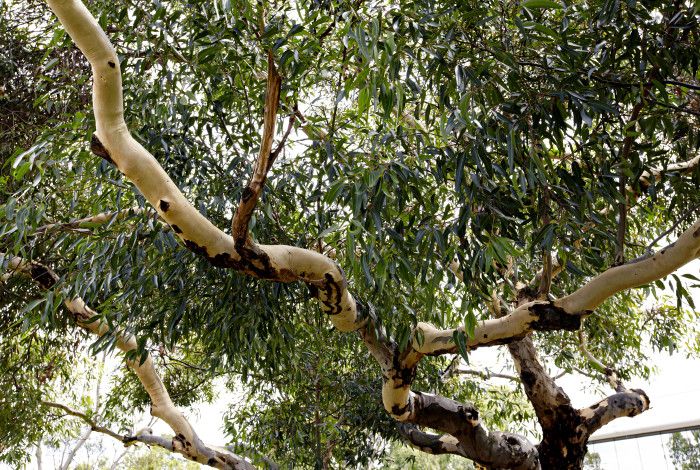
What is a canopy tree?
In Clause 52.37 of the Greater Dandenong Planning Scheme:
- canopy tree means a tree that has:
- a height of more than 5 metres above ground level; and
- a trunk circumference of more than 0.5 metres, measured at 1.4 metres above ground level; and
- a canopy diameter of at least 4 metres;
- boundary canopy tree means a canopy tree if any part of its trunk is within:
- 6 metres of the narrowest street frontage of a lot; or
- 4.5 metres of the rear boundary of a lot;
- new canopy tree means a canopy tree proposed to be planted. It must be a species and type that will, at maturity, have:
- an expected height of at least 6 metres above ground level; and
- an expected canopy diameter of at least 4 metres.
How to apply for a planning permit to remove a canopy tree
If your application is only for canopy tree removal, it may be assessed under the VicSmart assessment process and usually decided within 10 business days.
You must include the following details in addition to the general planning permit application requirements:
- Plans and photos showing:
- location of all canopy trees and vegetation on the property
- trees you want to remove (species, height, canopy size)
- existing and proposed new canopy trees
- details of new trees: species, expected mature height and canopy size, soil conditions, irrigation plans.
- A written explanation:
- why the canopy tree needs removal, destruction or lopping
- why the proposal does not meet canopy tree requirements (if relevant).
- Details of buildings or works:
- if trees need removal, destruction or lopping for building or construction works, include details and plans of the proposed buildings or works.
- Arborist assessment:
- assessment from a suitably qualified person is required if removal, destruction or lopping is required due to tree health or stability concerns.
Find out how to apply: Apply for a planning permit
Native vegetation removal
Native vegetation includes trees, shrubs, herbs and grasses indigenous to Victoria.
You need a planning permit to remove, destroy or lop native vegetation on land with an area larger than 0.4 hectares, unless an exemption applies under Clause 52.17 of the Greater Dandenong Planning Scheme. This includes trees along fence lines between private and public land.
Some areas in Greater Dandenong have additional vegetation protection controls, and your land title may include covenants or agreements that affect what you can remove.
Before starting works
If your planning proposal includes the removal of native vegetation, booking a Planning Pre-Application meeting is recommended (a fee applies).
The Department of Energy, Environment and Climate Action (DEECA) website provides guidance and tools to support applications involving native vegetation removal - the key documents are:
- Native vegetation removal regulations - Applicant's guide - explains Basic and Intermediate assessments that don’t need a certified assessor
- Guidelines for the removal, destruction or lopping of native vegetation 2017 - explains how removal is assessed and how offsets are calculated.
Not sure if you need a permit?
Call Council on 8571 1000 before you remove any tree or vegetation.
We can explain the rules, check your zoning, and let you know if you need a permit, how much it will cost, and how to apply.